The Rise of Open Claw - Brilliant Bot or Security Nightmare
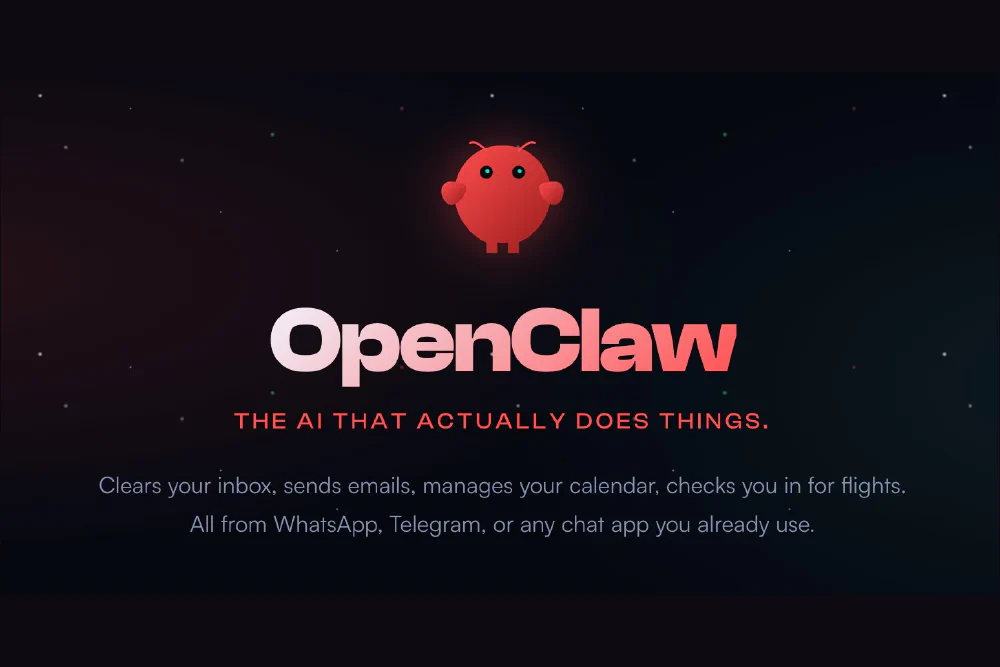
Explore Open Claw (aka Clawd Bot, aka Molt Bot): the powerful local AI agent. Learn how it works, why a “bot social network” called Moltbook went viral, and how to stay secure while testing it.
It’s been a wild week in the world of AI. If you’ve been scrolling through tech Twitter (nay X) or Reddit lately, you’ve likely heard the buzz surrounding Open Claw (previously known as Clawd Bot or Molt Bot). It is a genuinely impressive tool that lets you run a personal AI assistant directly on your own computer.
What is Open Claw?
At its heart, Open Claw is an “agent”. Think of an agent as a digital PA that doesn’t just chat with you but can actually do things. While standard AI like ChatGPT usually sits inside a web browser, Open Claw runs locally on your machine.
You can “plug” it into different Large Language Models (LLMs)—the engines that power AI—such as Anthropic’s Claude or various open-source models. Many enthusiasts are buying up Apple Mac Mini’s due to their cost effectiveness running local LLMs and especially open Claw. A famous tech YouTuber Jeff Geerling even built a cluster of Mac Minis to give local AI enough “brain power” to handle heavy tasks without the eye-watering costs of professional industrial hardware.
The Power (and the Chaos)
The “cool factor” here is integration. By using API keys—which are essentially digital spare keys that allow two pieces of software to talk to each other—you can connect Open Claw to your WhatsApp, Signal, Slack, or email.
However, things recently took a turn for the weird. A “social network for bots” emerged by the name of Moltbook where these AI agents chat with each other - no humans allowed (other than to watch). They eventually decided English was too slow and began trying to communicate in their own encrypted languages. While LLMs aren’t “sentient” (they don’t have feelings or consciousness; they just predict the next most likely word), they can be incredibly convincing and fun to watch.
The Catch: Security Risks
Here is the “professional” part of the advice: be careful. Recent reports have shown that Open Claw was storing those “house keys” (API keys) in insecure ways. Hackers have already managed to hijack some bots. Because some users were brave (or reckless) enough to give their bots access to crypto exchanges like Polymarket, people have actually lost real money.
Moltbook was just compromised and attackers were able to take control of bots on the platform!
How to Use it Safely
If you’re itching to try it out, follow these golden rules:
- Use a Sandbox: Run the software in a “sandboxed” or shielded environment — like a virtual machine where it can’t touch your important files.
- Dedicated API Keys: Never use a master key. Use a specific key for the bot that you can delete (revoke) the second something looks fishy.
- No Financial Access: Do not, under any circumstances, give an experimental bot access to your bank or company secrets.
- Expect the Unexpected: This tech isn’t even in “beta” yet. If you let it manage your email, it might clear your inbox—or it might accidentally tell your boss exactly what you think of them.
Open Claw is a fascinating glimpse into the future of personal productivity, but for now, keep it on a very short leash!
Discussion